Tours
Tirana
Tirana, the pulsating heart of Albania, enchants visitors with its colourful architecture, rich history and unstoppable spirit of renewal. Its central core is Skanderbeg Square (Sheshi Skënderbej), a monumental place surrounded by key sights, including the National History Museum, the Opera and the historic Et'hem Bey Mosque. Tirana is a city of contrasts, where the heritage of the Ottoman period and Italian influences intertwine with traces of the communist era – including brutalist monuments and unusual bunkers – and modern, multicoloured buildings that give the city a unique visual identity. Particularly attractive is the lively Blloku quarter, once exclusive to the communist elite, now full of trendy cafés, bars and restaurants. With its eclectic architectural styles, museums that bear witness to a turbulent past, and a growing artistic and gastronomic scene, Tirana offers a dynamic experience, imbued with history, culture and authentic Balkan charm.
Tirana is an ideal destination for travellers who are interested in the history of the Balkans (especially the communist period), emerging culture, urban art (colourful façades), architecture of contrasts, local gastronomy, affordable travel and exploring modern Albania. It is particularly attractive to lovers of history, younger travellers, adventurers, photographers and all who seek a relaxed, culturally rich and visually interesting trip with authentic charm and hospitable locals. Spring (April-June) and early autumn (September-October) are the best times to visit, with pleasant temperatures ideal for exploring and fewer crowds than in summer. Summer (July-August) offers warm weather and numerous events, but with more tourists. Tirana promises a visually appealing, culturally rich and unforgettable holiday, imbued with the spirit of resilience, transformation and timeless Balkan charm!
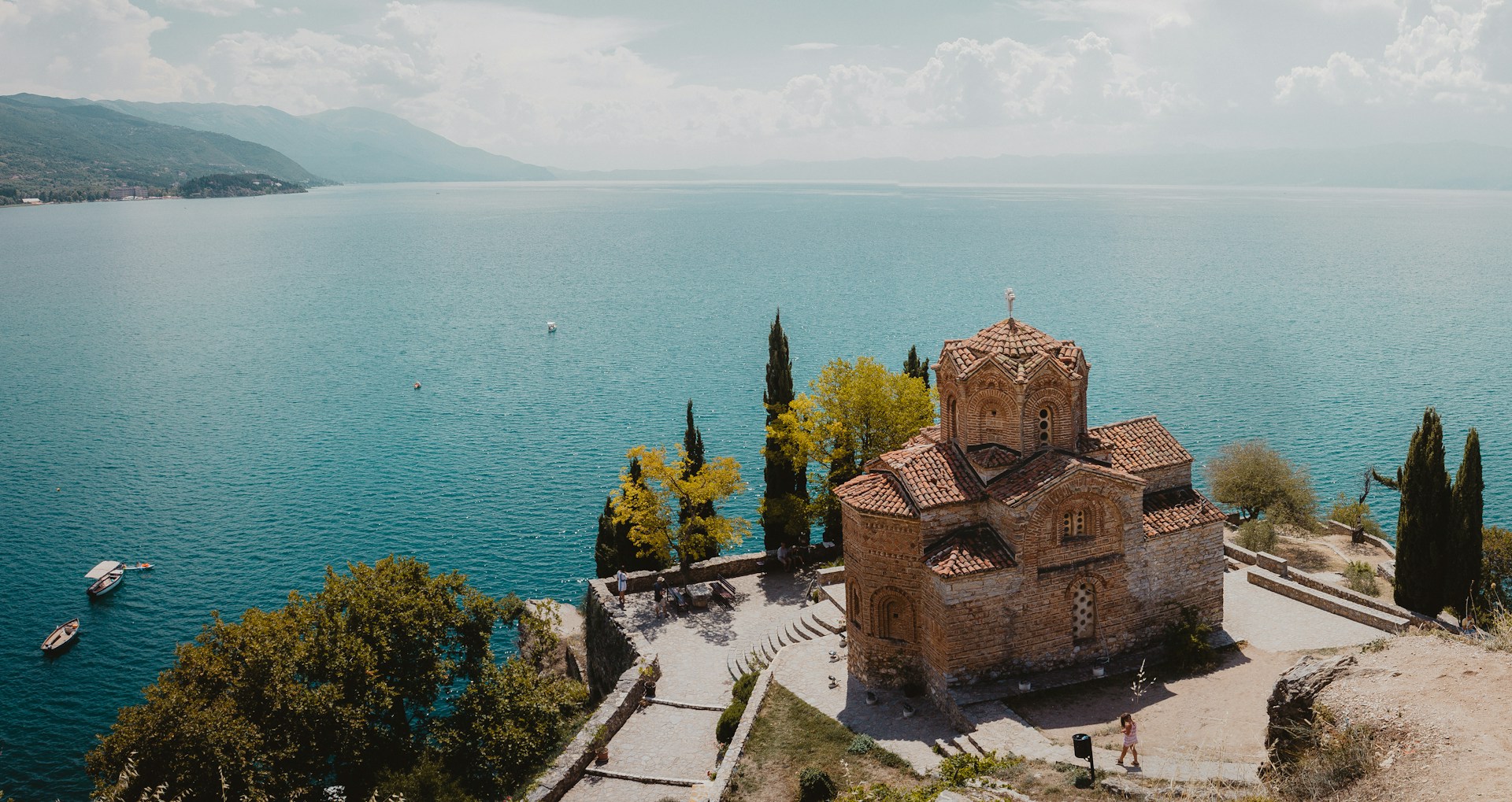
Ohrid, North Macedonia
Ohrid
Drevni grad Ohrid, smešten na obali istoimenog jezera, je već dugi niz godina sa punim pravom centar i pravi biser turizma Makedonije. Izuzetno bogata istorija prostora današnje Makedonije se naravno oslikala i kroz istoriju Ohrida – u IX veku Ohrid je bio centar širenja hrišćanstva medju Slovenima iz kog su delovali Sv. Naum (prvi slovenski monah) i Sv. Kliment (prvi slovenski episkop), učenici velikih prosvetitelja Sv. Ćirila i Metodija. Ohrid je veoma zanimljiva turistička destinacija s obzirom na veliki broj spomenika koji se u njemu nalaze. Crkve Svete Sofije, Svetog Klimenta (obe sa srednjovekovnim freskama iz XIV veka) i ostaci starih turskih zidina samo su neke od znamenitosti koje treba posetiti. Zajedno sa Ohridskim jezerom uvršten je u kulturnu baštinu UNESCO-a.

Price on requestSend an inquiry
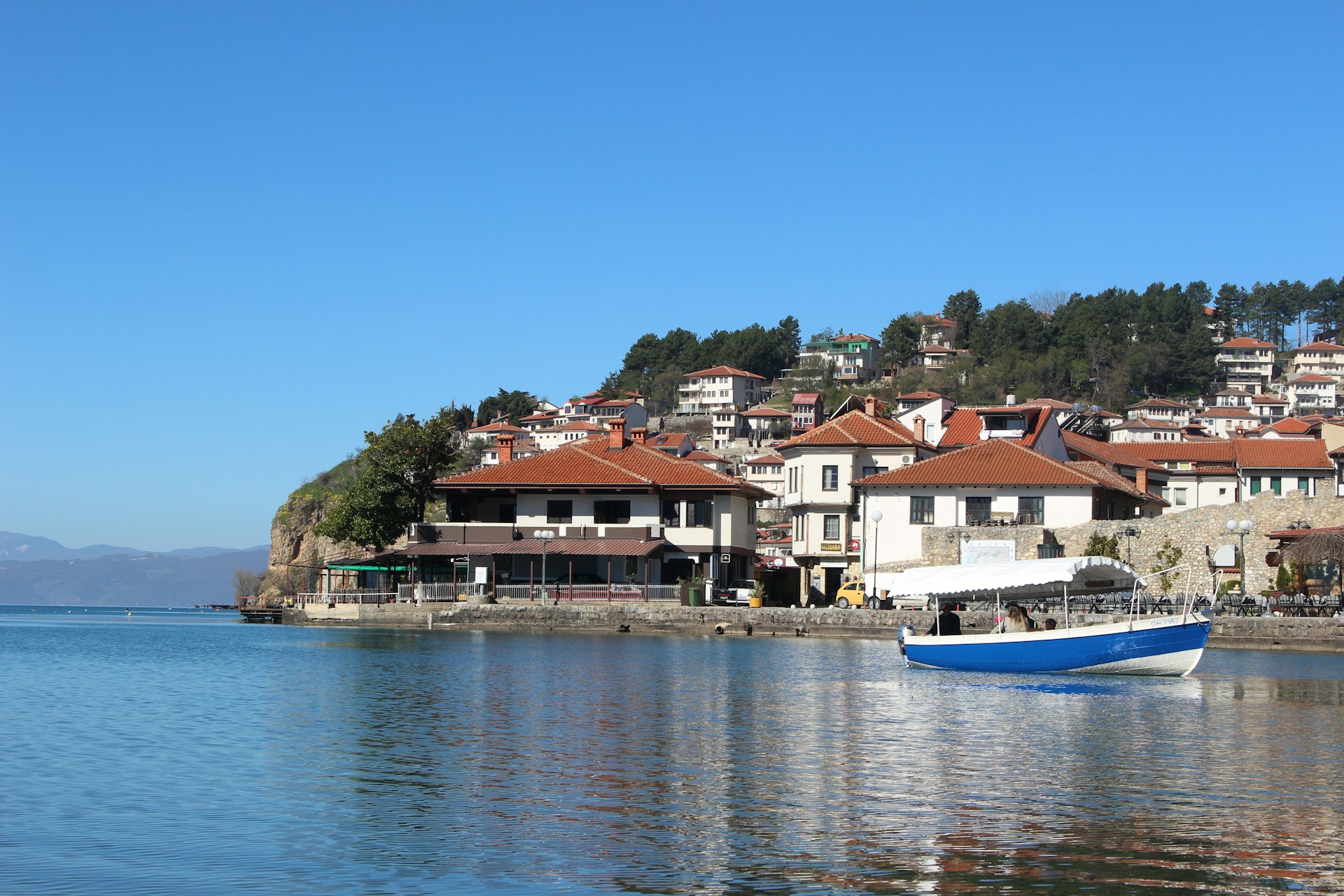
Ohrid, North Macedonia
Ohrid
Ohrid je grad – spomenik grandioznih arheoloških otkrića, ranohrišćanskih bazilika i mnogobrojnih pravoslavnih crkava (prema legendi više od 360 crkava). Zajedno sa Ohridskim jezerom uvršćen je u kulturnu baštinu UNESCO-a. Od mnogobrojnih kulturno istorijskih spomenika izdvajaju se: crkva Svete Sofije iz XI veka koja je najznačajniji srednjovekovni spomenik u Makedoniji, crkva Svetog Klimenta iz XIII veka u kojoj počivaju mošti Svetog Klimenta i manastir Sveti Naum iz X veka.

Price on requestSend an inquiry